
Blue Economy at Nature Seychelles
We are an ocean-dependent economy – held strong by the tourism and fisheries industries, which are in turn supported by the natural environment. Therefore, ocean health is crucial to us. However, Seychelles has all the classic limitations and vulnerabilities of SIDS countries –climate change, sea level rise, ocean acidification, extreme climatic events, coral bleaching, and increased climate sensitive diseases. Nature Seychelles’ Blue Economy Knowledge Centre aims to build content on the blue economy model by sharing best practices and knowledge.
The original Blue Economy concept by Gunter Pauli was to look for the best nature-inspired technologies to shift society from scarcity to abundance by tackling environmental and other problems in new ways. The Seychelles is championing the “Blue Economy” as its future sustainable development model. At the moment there is a need to elucidate, at the least, the corners of what is meant by the Blue Economy for Seychelles as it may be all things to all men and women.
At Nature Seychelles we are convinced that the Seychelles Blue Economy model must offer a new analytical framework as well as a new way of crafting our common future. We have established a Blue Economy centre which assists in building the content of the Seychelles Blue Economy model. The centre is headed by Ms. Kerstin Henri an experienced Seychellois economist who has worked in the developmental and environmental fields in Seychelles for over 20 years.

The centre promotes the best practices and knowledge from various programs that Nature Seychelles is working in including research, eco-tourism, coastal & marine conservation and restoration, and climate change adaptation, as well as contributions from national and international partners.
Seychelles is famous for its beautiful environment and this archipelago of 115 islands truly lives up to its name ‘paradise’ with its stunning views.
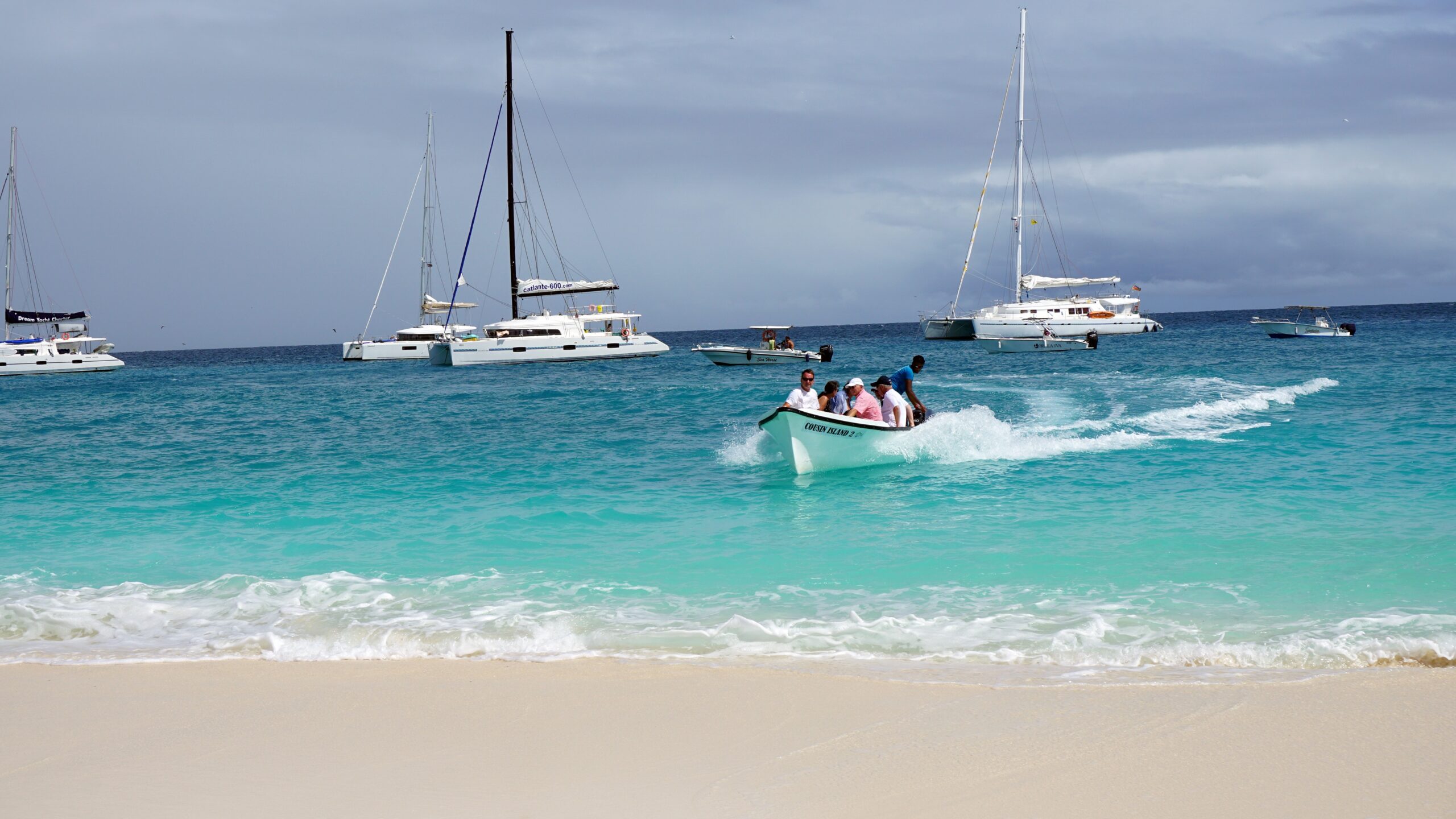
Cousin Island Special Reserve is one of the islands that receives numerous visitors each year. Cousin is an island protected under Seychelles law. The terrestrial environment as well as the 400 metres surrounding the island is a no-take zone, thereby prohibiting the removal of any plant or animal species.
Nature Seychelles manages Cousin Island Special Reserve, one of the world’s first land and sea nature reserves Previously a coconut plantation, Cousin Island was purchased by the International Council for Bird Protection (now BirdLife) in 1968, for the immediate purpose of saving the endemic Seychelles Warbler Acrocephalus sechellensis. Saving the warbler saved other species. And now Cousin is home to many other species and is a critical site for nesting Hawksbill turtles in the Western Indian Ocean.
Nature Seychelles also manages The Sanctuary at Roche Caiman, an urban wetland in the heart of Greater Victoria. Situated on reclaimed land, it underwent a remarkable transformation in the early 2000s through an ambitious rehabilitation project led by Nature Seychelles. The aim was to turn it into a wetland reserve that Seychellois could be proud of, an attraction for nature enthusiasts, and an educational resource for local schools.
Several activities have been accomplished with local and international donors’ support, including the removal of non-native trees and planting of native ones, tackling the overgrowth of typha reeds that were choking the wetland, re-opening and deepening water areas, creating a scrape for wading birds and a pond dipping area for children, and the diversification of mangrove stands through planting.
Nature Seychelles’ coral reef restoration project is aimed at restoring coral reefs that have been negatively impacted due to Climate Change, one of the main threats to marine ecosystems. Corals in the Seychelles and the region have been destroyed by ocean warming and coral bleaching events, threatening the livelihoods of millions of coastal peoples in Eastern Africa and the Western Indian Ocean islands.


To learn more about Nature Seychelles Work visit our website.