
A sea cucumber’s ability to stiffen and soften its body has inspired a gel that helped injured tendons heal in rats, offering a possible route to better treatment for people.
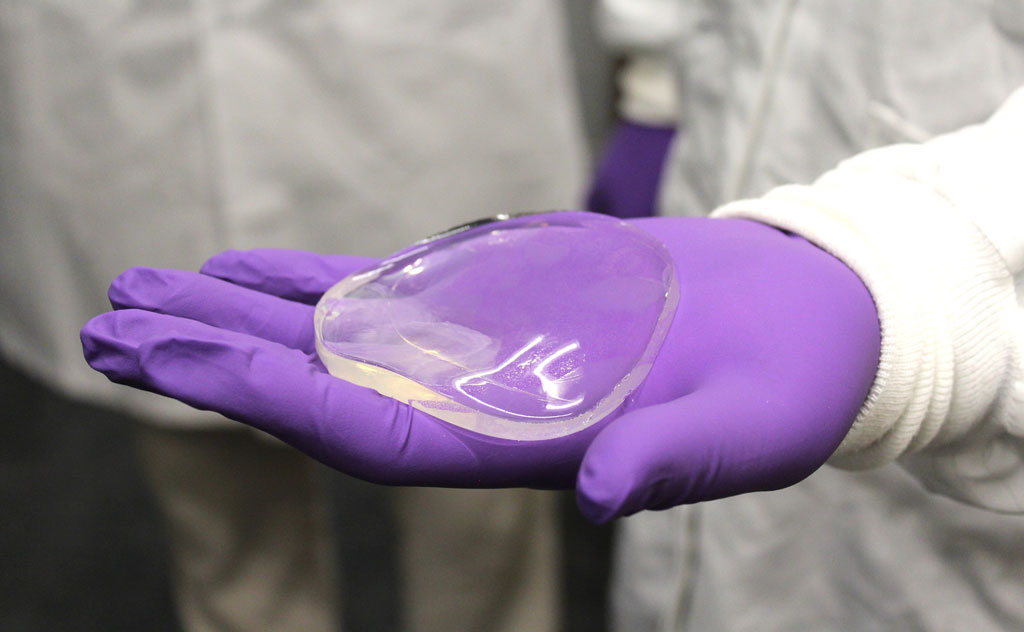
An international team led by Canada’s University of Waterloo developed the material from gelatin. The paper describes a moist, flexible gel that provides temporary support while new tissue grows.
The researchers froze a gelatin solution to organise its internal structure, then soaked it in salt solutions. Changing the salts and soaking time altered its firmness and strength, allowing them to tailor the material to different tissues.
“Soft tissues don’t all require the same scaffold,” said Waterloo researcher Yimin Wu in a university statement. A material suitable for a tough tendon, for example, could be too stiff for delicate brain tissue.
In rats with damaged Achilles tendons, the treated gel, secured with stitches, supported more orderly tissue growth and better recovery than stitches alone. It gradually broke down and had largely disappeared after eight weeks.
The findings remain experimental. Tests in larger animals and human trials are still ahead. Potential applications in muscles, cartilage and other organs also require further investigation. The study did not compare the gel with existing commercial medical products, a limitation acknowledged by the authors.
Sea cucumbers already perform important work on the seabed. By processing food particles, they help recycle nutrients. They are also important in keeping coral reefs healthy. Studying how their bodies function is now giving scientists ideas for repairing our own.
https://lnkd.in/dM6Wae7k
Cover photo: Engineering researchers at the University of Waterloo created this moist, flexible gel to help heal soft-tissue injuries (University of Waterloo).