
Author: NatureSeyBE
-
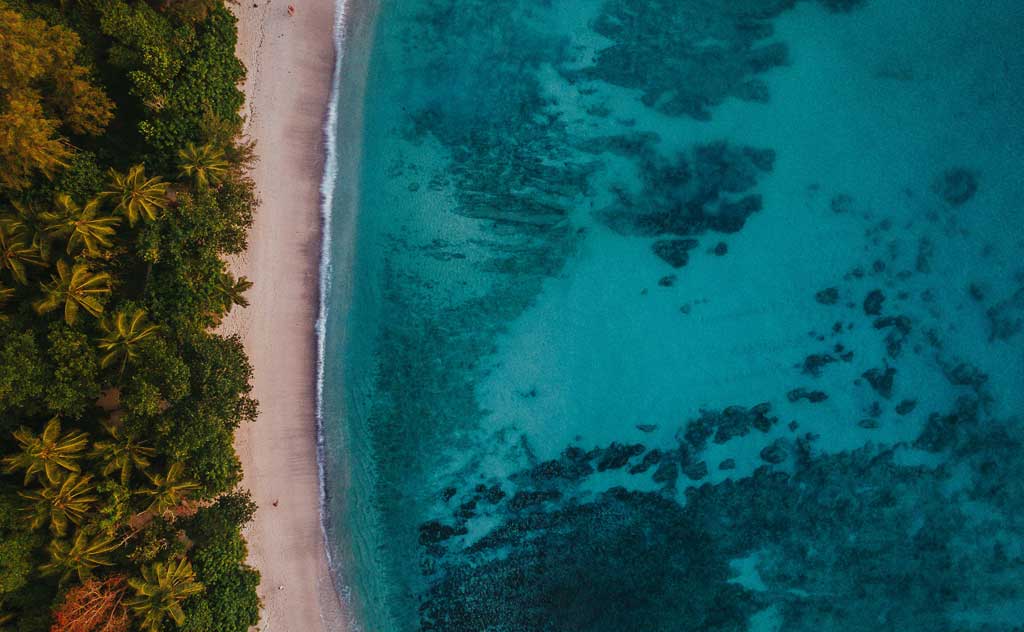
If Europe struggles to protect its seas what hope for Seychelles?
By Nirmal Jivan Shah The European Court of Auditors has delivered an awkward verdict on the world’s largest trading bloc. The EU has yet to build a network of marine protected areas that effectively protects its seas. If wealthy Europe struggles to do this, what can small island states achieve with far fewer people and…
-
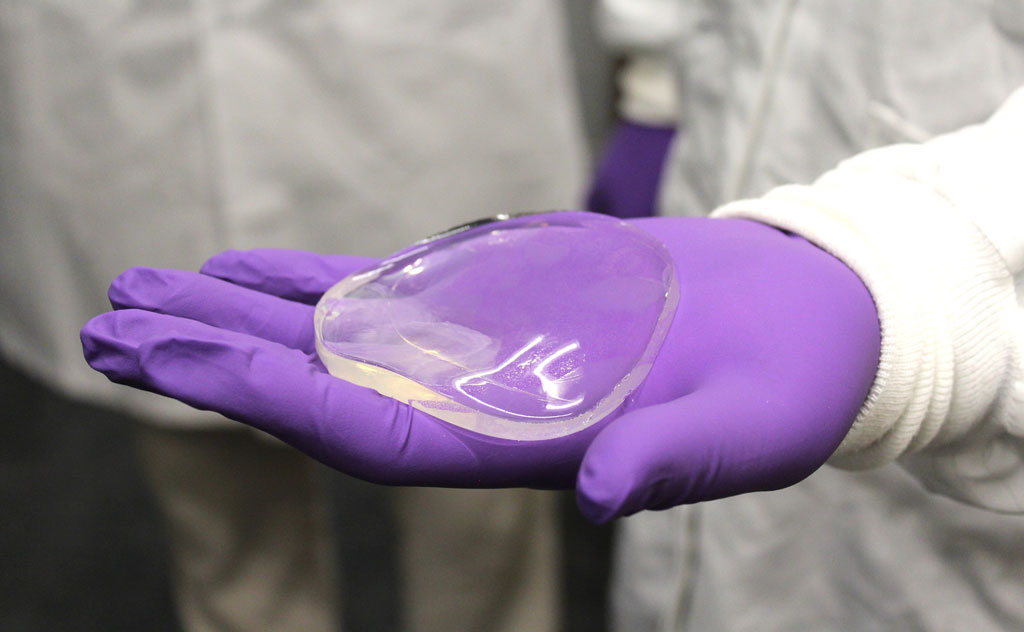
Sea cucumber-inspired gel could help heal damaged tissue in humans
A sea cucumber’s ability to stiffen and soften its body has inspired a gel that helped injured tendons heal in rats, offering a possible route to better treatment for people. An international team led by Canada’s University of Waterloo developed the material from gelatin. The paper describes a moist, flexible gel that provides temporary support…
-
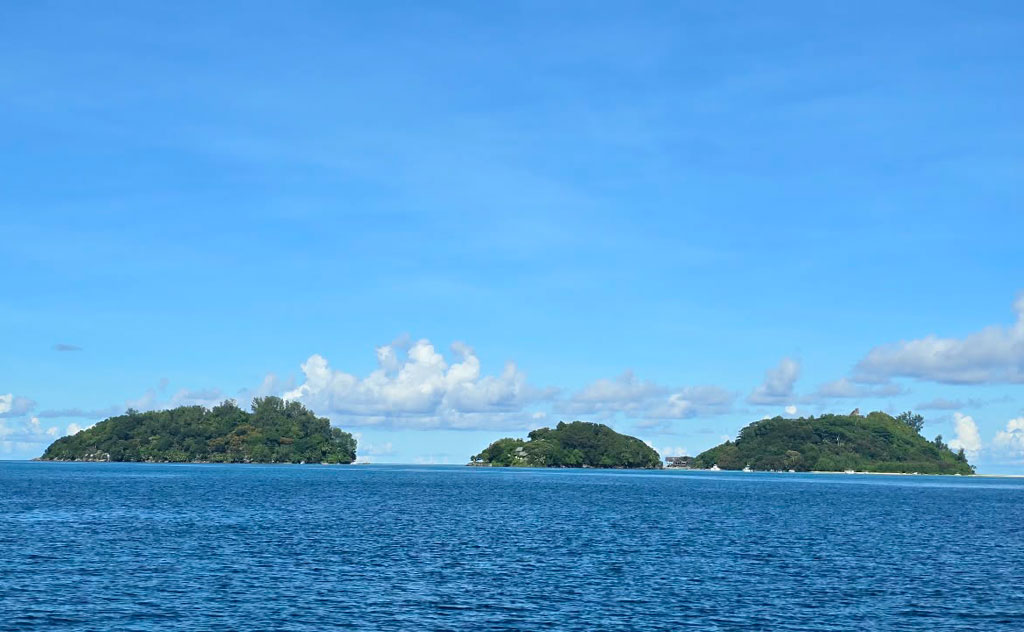
What Another Blue Economy Framework Offers Seychelles
By Nirmal Jivan Shah UNEP’s new report, Transitioning to a Sustainable Blue Economy: A Practical Framework, arrives in a field already well supplied with policy guidance. African governments can consult the African Union’s Africa Blue Economy Strategy and UNECA’s Africa’s Blue Economy: A Policy Handbook, while IUCN has developed principles for a Regenerative Blue Economy.…
-
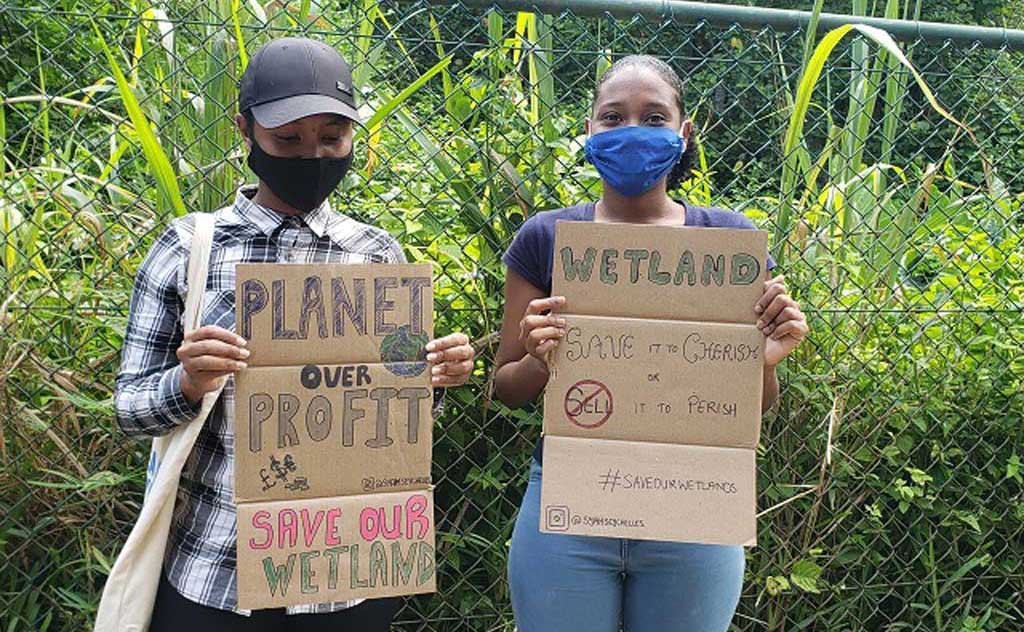
Why conservation and development debates get stuck
By Nirmal Jivan Shah Why do debates over the environmental impact of development so often end in acrimony, despite the studies and public consultations? A proposed hotel beside a wetland can quickly become a dispute about motives, with conservationists accused of obstructing progress and developers of putting profit before everything else. Once each side expects…
-
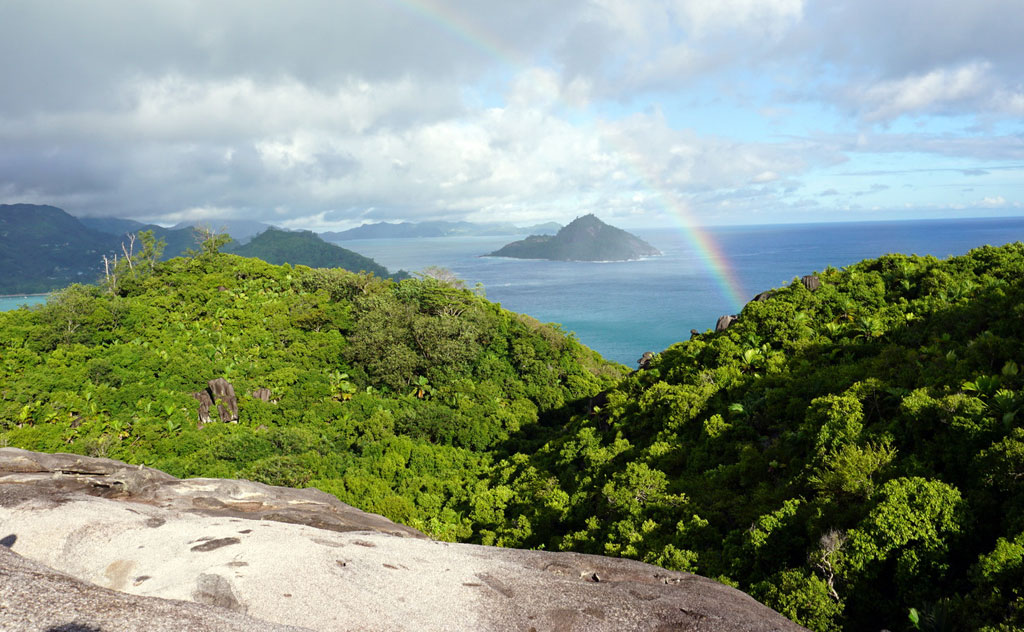
High Seas Ambition Begins at Home
By Dr. Nirmal Jivan Shah “The BBNJ Agreement promises stronger protection for the high seas. For Seychelles, its success will depend on something much closer to home: whether a small island state has the capacity to translate international ambition into durable national action.” Seychelles ratified the Agreement on the Conservation and Sustainable Use of Marine…
-
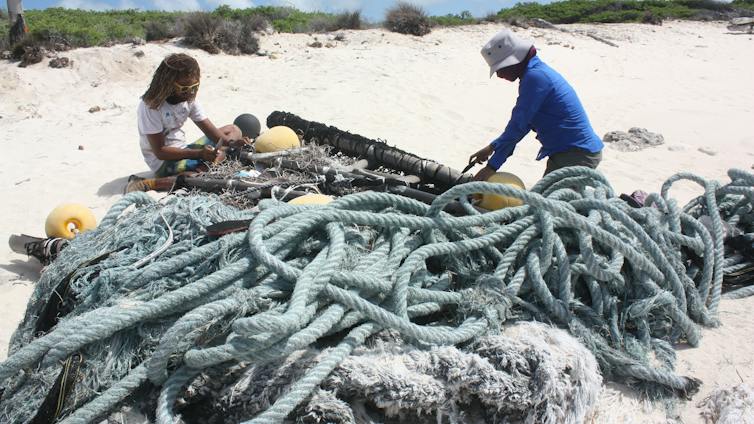
Tonnes of fishing gear and plastic are washing up on Seychelles beaches. We tracked where it was coming from
Alex Albinski, University of Oxford and Noam Vogt-Vincent, University of Oxford Vast quantities of plastic and fishing gear are washing up along the shores of the Seychelles, destroying fragile ecosystems and causing significant economic problems. Aldabra Atoll, a Unesco world heritage site in this archipelago nation of 115 islands, is estimated to have accumulated more…
-

New Study Charts Seychelles’ Lobster Fishery Transformation
New research in Marine Policy has shed light on the current state of Seychelles’ spiny lobster fishery. The study reveals a significant shift in how Seychelles obtains its lobsters. Through 87 interviews with fishers, hotels, restaurants, and the general public, the researchers discovered that the reliance on imported lobster has skyrocketed: a staggering 96.6% of…
-
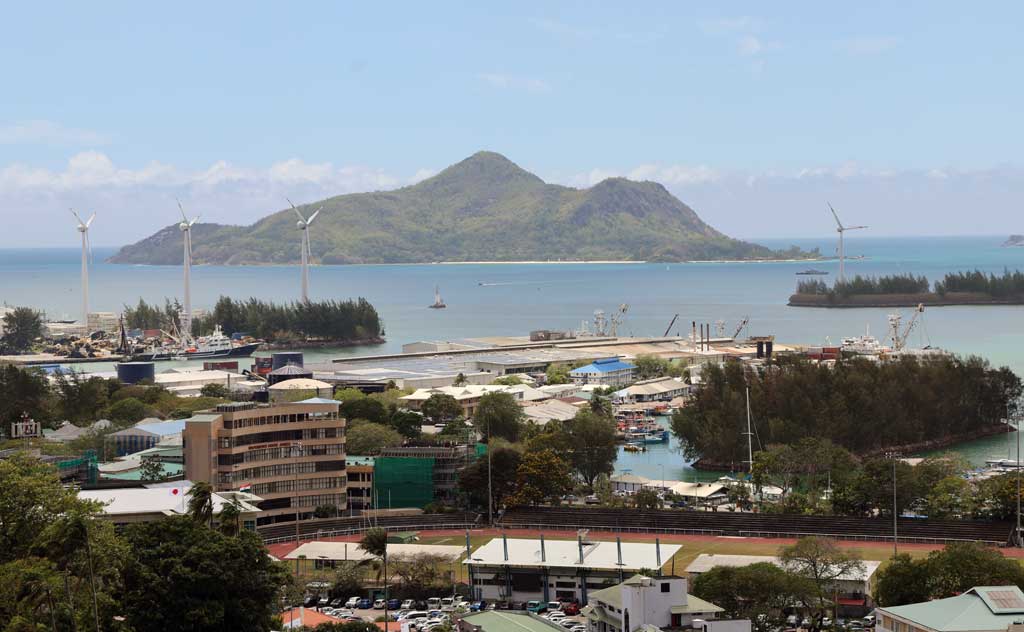
Are We Ready for the Business of the Blue Economy?
By Nirmal Jivan Shah Seychelles talks confidently about building a Blue Economy. But how easy is it, in practice, to start, grow and sustain the businesses that are supposed to deliver it? The World Bank’s new Business Ready (B-READY) assessment offers a useful reality check. It is not a Blue Economy report, but it examines…
-

Seychelles’ first floating solar project expected to be operational in December
(Seychelles News Agency 11.7.2026) Installation work on the solar panels for the Seychelles’ first floating photovoltaic project, in the Providence Lagoon, is approximately 10% complete. The 5.8-megawatt power station is now scheduled to enter commercial operation in December this year. Once the floating solar farm becomes operational, it will comprise 9,980 solar panels that will…
-
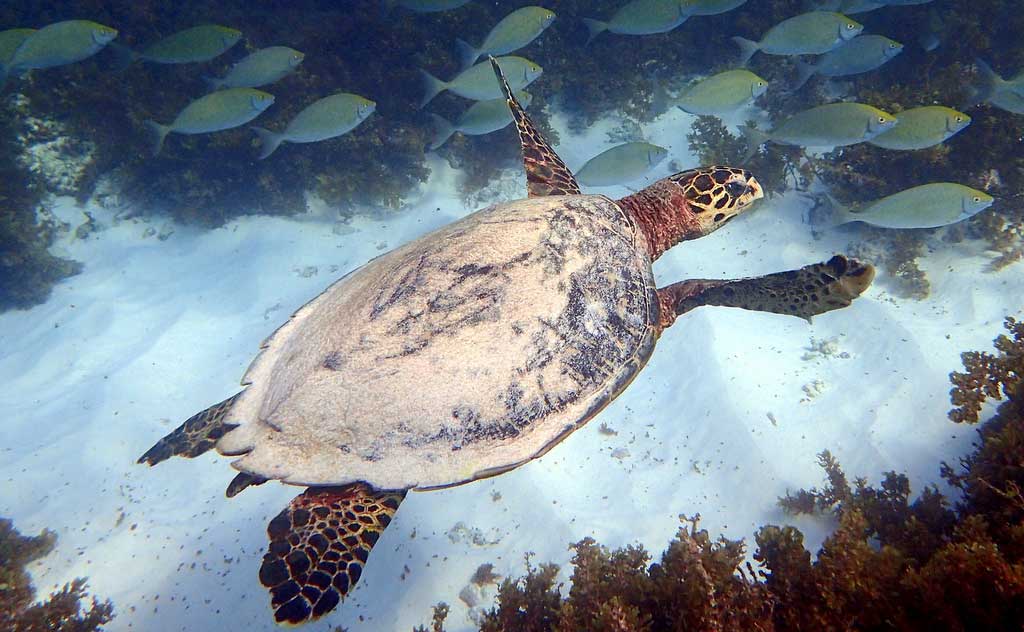
MPAs need people and resources
By Nirmal Shah A new preprint (not peer-reviewed yet) led by some great researchers says that fewer than 100,000 full-time workers are responsible for about 36 million square kilometres of MPAs, roughly one worker for every 370 square kilometres. On land, protected areas employ about 555,000 people across 20 million square kilometres, or one worker…