
Author: NatureSeyBE
-

Seychelles extends moratorium on import and charters of longline fishing vessels
(Seychelles News Agency) – A moratorium imposed in Seychelles in August 2023 on the importation and chartering of longline fishing vessels for use in the semi-industrial tuna fishery has been extended to mid-2026. The announcement was made by Vice President Ahmed Afif in a cabinet decision press briefing on Thursday. The Cabinet of Ministers…
-

Fisheries Transparency Initiative 2022 Report for Seychelles shows improved results
(Seychelles News Agency) – The latest report of the Fisheries Transparency Initiative (FiTI) for 2022 for Seychelles shows there is a willingness for transparency in the sector, said a top official. Philippe Michaud, Seychelles national’ FiTI lead, made the statement in a press conference on Wednesday. “When a government has transparency and participation, it brings interest to…
-

Nature Seychelles experiments with coral shading to tackle bleaching
(Seychelles News Agency) – The United States National Oceanic and Atmospheric Administration (NOAA) has confirmed that uncharacteristically high ocean temperatures have triggered the fourth global mass coral bleaching event and Seychelles is already being affected. Nirmal Shah, chief executive of Nature Seychelles, a non-profit organisation, said this event poses a significant threat to the ocean’s ecosystem and the millions…
-

Coral bleaching: what is it and why should we care?
Like the rest of the world, much of the Western Indian Ocean is currently experiencing coral bleaching. Coral bleaching reports have already been received in Seychelles, including Cousin Island Special Reserve. On April 15, the United States’ National Oceanic and Atmospheric Administration (NOAA) confirmed that we are in the midst of the fourth global coral…
-

Saya de Malha leaves for its third dFAD clean-up expedition
(Seychelles Nation) The Saya de Malha vessel of the Seychelles Coast Guard (SCG) left Port Victoria yesterday afternoon for its third drifting Fishing Aggregate Devices (dFAD) expedition clean-up exercise in Seychelles territorial waters and shores of the outer islands. As customary since the first expedition in October 2022, students from Seychelles Maritime Academy (SMA) are also…
-

Roaming seabirds need ocean-wide protection, research shows
Unlike other oceans, which are known to have specific “hotspots” where predators, including seabirds, gather in large numbers to feed, the Indian Ocean lacks such concentrated feeding areas, a recent paper has revealed. This lack of hotspots is particularly concerning given the various threats seabirds face due to human activities. The paper analysed tracking data…
-

Tired of failed climate promises by rich nations, tiny Maldives takes matters into its own hands
(channelnewsasia.com) Tired of unfulfilled climate promises by rich countries, the Maldives is implementing its own environmental protection strategies to stay above water, says its Minister of Environment, Climate Change and Technology Aminath Shauna. The nation spends about 30 percent of domestic resources on adaptation and transition, she says. This includes building desalination plants for freshwater,…
-
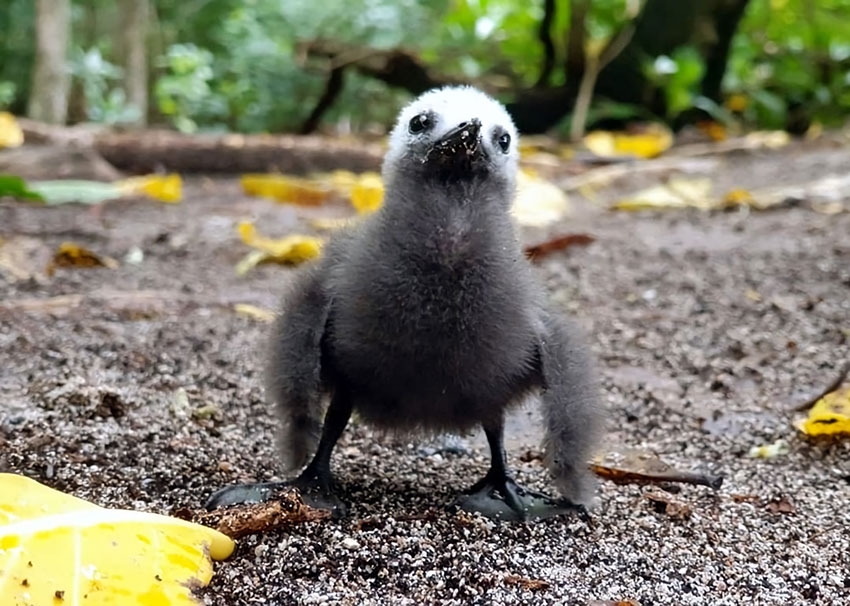
Lesser noddys check into Cousin Island for the breeding season
It’s early morning on Cousin Island Special Reserve. You sit on the veranda of the field station, sipping coffee and scaring off Seychelles fodys and skinks determined to grab a piece of your breakfast. As you stare off into the sea, you notice a flock of Lesser Noddys (Anous tenuirostris) close to shore.
-
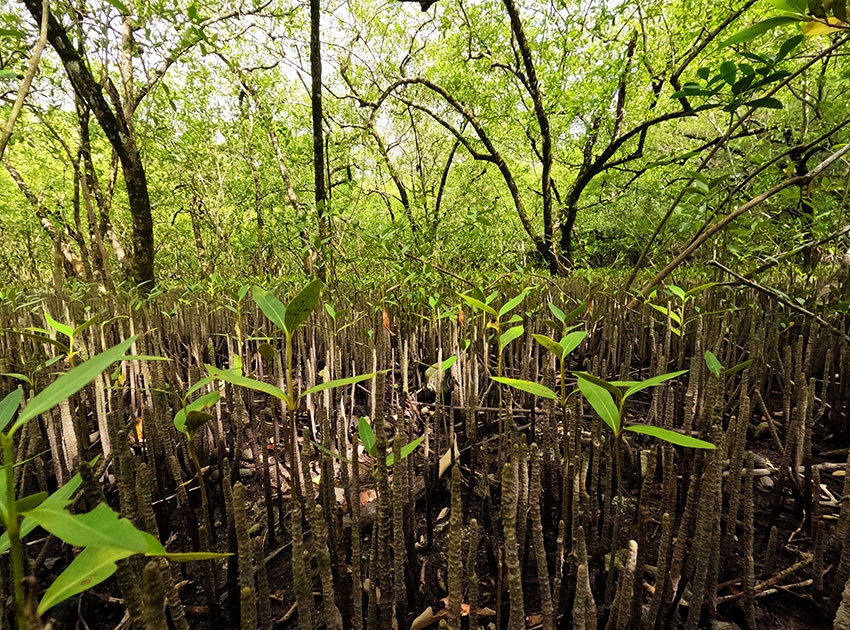
Sink or swim: Exploring the mangroves of Port Glaud
Known for their salt-tolerant trees and intricate root networks, mangroves thrive in harsh and ever-changing environments. They shelter unique flora and fauna. Their extensive roots stabilize coastlines, mitigate erosion, and protect us from storm surges. Besides being carbon sinks, they also purify water by filtering pollutants and trapping sediment and reduce flooding by absorbing excess…
-
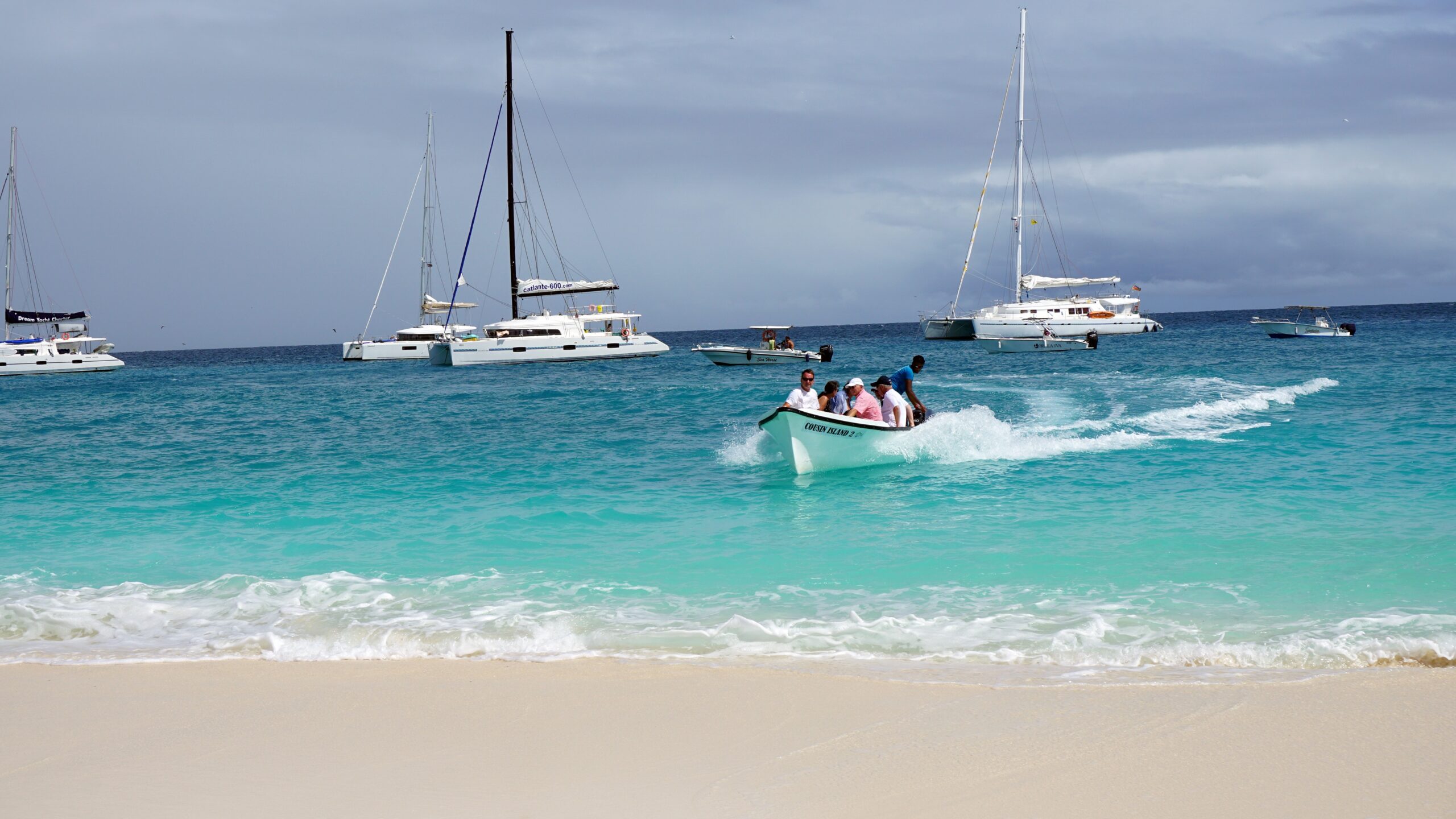
Not a piece of cake – walking in the shoes of a Cousin Island warden
Rangers work tirelessly to safeguard our protected areas, wildlife, and ecosystems, often under demanding and challenging conditions. Cousin Island Special Reserve’s rangers, known as wardens, don’t wear shoes but they are up to their ears in daily work.