
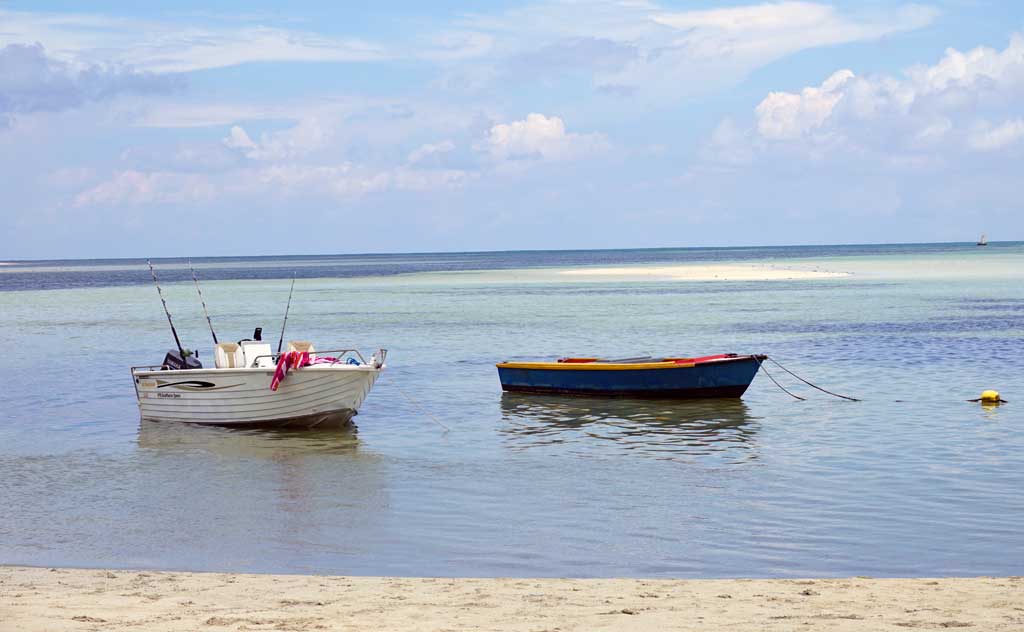
At dawn, he pushes his boat past the surf, where the sea smells of diesel, salt, and yesterday’s rain. His phone is wrapped in plastic, yet it still flashes a weather alert: warmer water, stronger storms. On shore, officials call it “the blue economy.” For him, it comes down to whether his net rises heavy or empty.
They say Africa has 38 coastal states and about 13 million square kilometres of ocean territory. He has never measured the sea, yet he feels its boundaries whenever a steel hull drags across his fishing grounds. Illegal boats take fish as if the ocean were nobody’s pantry. The losses are counted in billions; he counts them in school fees. Fish feeds more than 200 million people and supports 10 million livelihoods.
Still, the ocean is also a bank that pays interest when people stop over-withdrawing from it. A mangrove creek – muddy and loud with mosquitoes -stores carbon, shelters juvenile fish, and breaks waves like a living seawall. When a patch of reef is closed for a season, the catch returns, and with it, dignity.
So his plea for a true blue economy is simple: let the rules be real, let science meet the stories of those who live by the sea, and let tomorrow’s prosperity smell less of exhaust and more like a turning tide.

By Dr Nirmal Shah. Originally appeared here